Steelights Home

Category

Finishes & Specification

26 articles

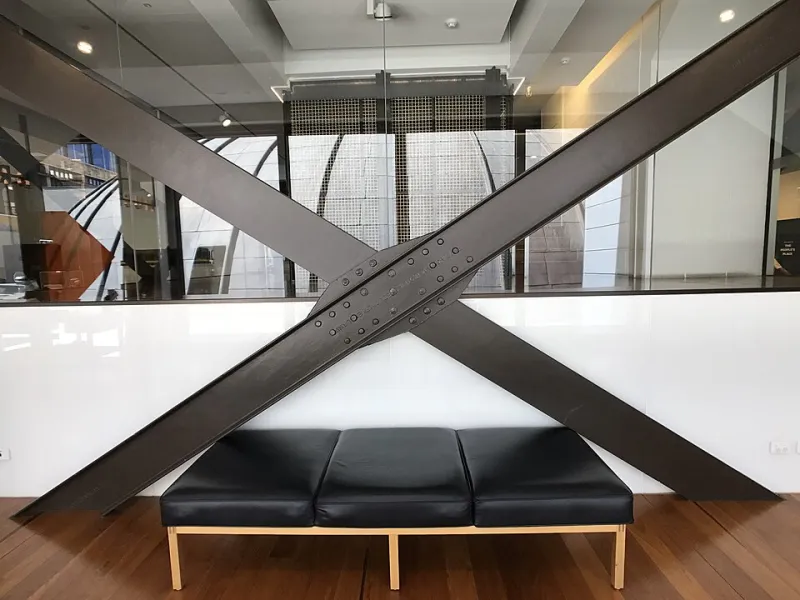
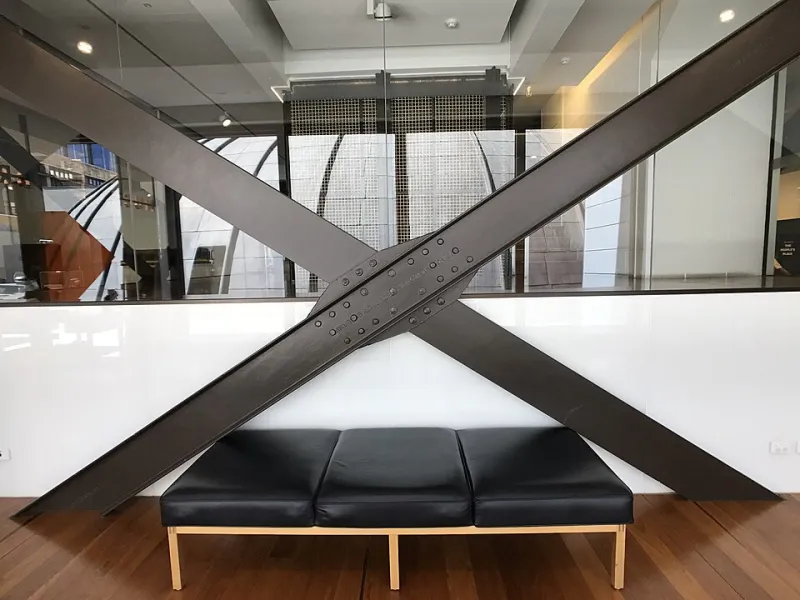
The Node in the Night: Lighting Bolted and Welded Steel Connections with Precision

The Node in the Night: Lighting Bolted and Welded Steel Connections with Precision

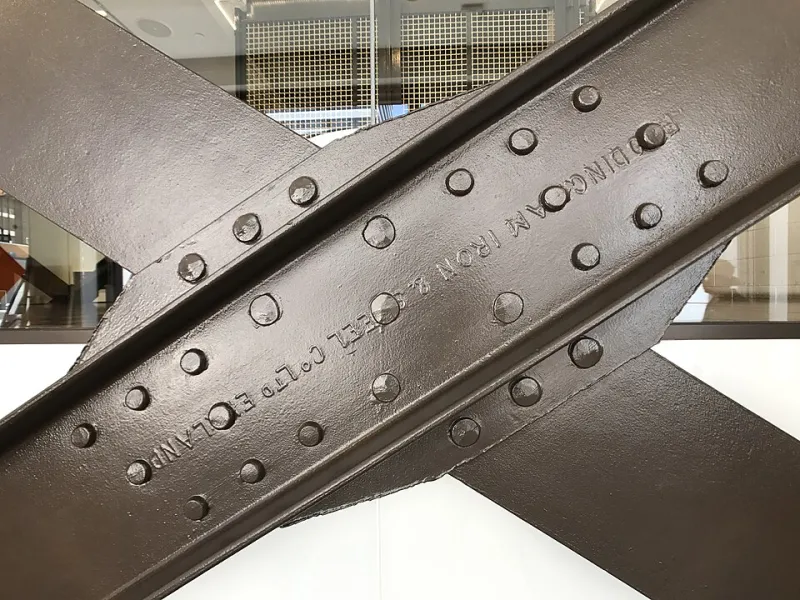
Exposed steel reveals its character at the connection: the bolted plate, the welded node, the gusset stiffener. This guide sets out how to light those details with grazing angles, narrow-beam accents and discreet steel-mounted fittings, while respecting fire protection, coatings and maintenance access in UK projects.

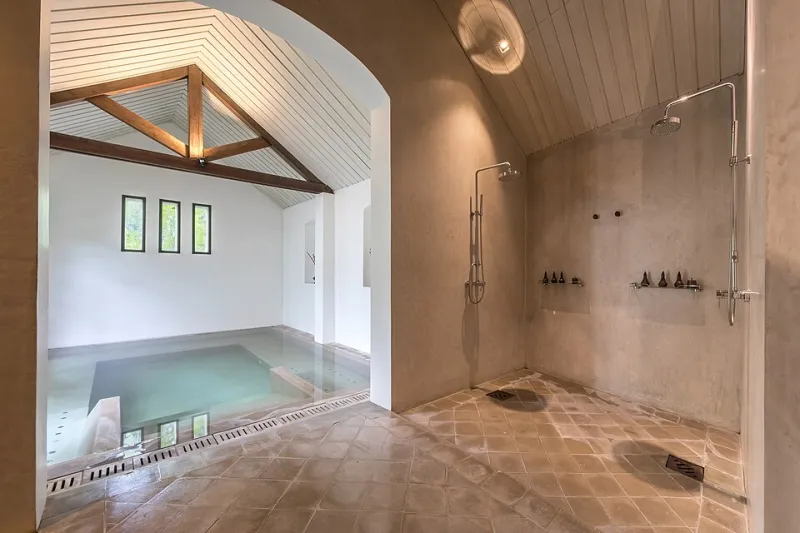
The Warm-Wet Room: A Specification Sequence for Steel-Framed Pools

The Warm-Wet Room: A Specification Sequence for Steel-Framed Pools

Indoor pool halls subject exposed steel and lighting to a warm, humid, chlorine-bearing atmosphere that is far more demanding than ordinary bathroom specification. This guide sets out a practical sequence for UK projects, from IP ratings and corrosion finishes to remote drivers, glare control and emergency lighting.

The Interrupted Soffit: Recessed Lighting in Exposed Steel Roof Decks

The Interrupted Soffit: Recessed Lighting in Exposed Steel Roof Decks

Recessed lighting in exposed steel roof soffits can look effortless, but each aperture tests the roof envelope. This article sets out how to coordinate thermal breaks, vapour control, fire-rated housings and maintenance access without dulling the steel expression.

A Seam That Glows: Detailing Linear Light Between Structural Steel and Plasterboard

A Seam That Glows: Detailing Linear Light Between Structural Steel and Plasterboard

The junction between exposed steel and plasterboard is often treated as a closing detail. Handled with precision, it becomes a controlled line of light that grazes the steel without washing the plaster. This assessment sets out profile selection, thermal separation, maintenance access and fire and acoustic considerations for UK interiors.

The High Window: Lighting Steel Roof Lanterns Without Competing With Daylight

The High Window: Lighting Steel Roof Lanterns Without Competing With Daylight

Steel-framed roof lanterns bring daylight deep into British extensions, but the luminaires around them must do more than fill a nighttime gap. This specification note sets out glare control, fixing to steel upstands and rafters, daylight-linked dimming and the maintenance realities of high-level glazing.

Damping the Ring: Vibration Control for Steel-Mounted Luminaires

Damping the Ring: Vibration Control for Steel-Mounted Luminaires

Steel frames transmit footfall, plumbing and plant vibration into luminaires, where it surfaces as rattle, hum or flicker. This specification guide sets out isolation mounts, flexible connections and anti-resonance fixings for steel-mounted lighting, with practical checks for acoustic performance and long-term reliability in UK homes and light-commercial spaces.

Between Two Buildings: Composing Light in Glazed Steel Connectors

Between Two Buildings: Composing Light in Glazed Steel Connectors

Glazed steel links between historic masonry and new-build wings are the hardest lighting brief on most UK projects: too bright and they read as tunnels, too dim and the threshold disappears. This piece sets out how to control glare, manage reflections in glass and polished steel, and stage the handover from daylight to artificial light so the transition feels composed rather than accidental.

Shelter, Then Signal: Concealed Light at Steel Entrance Thresholds

Shelter, Then Signal: Concealed Light at Steel Entrance Thresholds

A steel canopy can provide shelter, but the threshold needs carefully composed light to read as architecture rather than an added security device. This specification-led review considers concealed linear and downlight sources in canopies, reveals and threshold details, with attention to UK weather, IP ratings, glare and thermal movement.

The Reversible Beam: Exterior Steel Lighting on Conservation-Area Homes

The Reversible Beam: Exterior Steel Lighting on Conservation-Area Homes

Exterior lighting in a conservation area is rarely just an electrical decision; it is an argument about character. This guide sets out a disciplined specification route for steel fittings, from consent thresholds and reversible fixings to finishes and the written rationale that supports an application.

Legible by Grazing: Exterior Steel Lighting That Meets Dark-Sky Expectations

Legible by Grazing: Exterior Steel Lighting That Meets Dark-Sky Expectations

Dark-sky policy is often read as a restriction on showing off metal after dark. In practice it is a discipline of aim: light placed low, held tight to the surface and stopped before the skyline will reveal Corten and galvanised steel more convincingly than any floodlight. This specification note sets out the zoning, colour temperature, shielding and control decisions that keep a steel elevation legible while satisfying planners and averting light-trespass complaints.

The Substrate in the Spectrum: Colour Rendering Beside Galvanised and Coated Steel

The Substrate in the Spectrum: Colour Rendering Beside Galvanised and Coated Steel

Unpainted and galvanised steel do not sit passively under a luminaire; their reflectance shapes what the eye reads as grey, blue or green. This specification review explains how CRI and TM-30 data should be used when matching fittings to steel-heavy interiors, with a practical sample-testing method for UK trade buyers.

Keeping the Glow Inside the Line: Steel Balcony Lighting for Tight UK Boundaries

Keeping the Glow Inside the Line: Steel Balcony Lighting for Tight UK Boundaries

Steel balconies reward a lighting scheme that starts with the boundary rather than the fitting. This guide covers handrail linear lights, soffit downlights and step details, compares fixings for hollow sections and solid plates, and sets out IP, corrosion and glare-control requirements for UK exposures.

Fog, Flow and Finish: Exposed-Metal Lighting in British Bathrooms

Fog, Flow and Finish: Exposed-Metal Lighting in British Bathrooms

Bathrooms expose lighting to moisture, heat and cleaning chemicals in a way few other rooms do. This guide sets out how to choose steel and exposed-metal fittings by zone, finish and fixing so they remain safe and visually assured in British homes.

Polished Surfaces, Measured Light: Specifying Above Steel Kitchen Islands

Polished Surfaces, Measured Light: Specifying Above Steel Kitchen Islands

A brushed or polished steel island turns lighting specification into an exercise in reflection control. This 2026 guide compares linear suspensions, low-glare downlights and slim track systems, with practical guidance on mounting heights, beam angles, colour temperature and metal finishes for UK kitchens.

The Unswitched Circuit: Emergency Lighting That Holds Its Own on Exposed Steel

The Unswitched Circuit: Emergency Lighting That Holds Its Own on Exposed Steel

Emergency lighting is usually the last service drawn and the first one inspected. In an exposed-steel interior, where every conduit and bracket is on show, that ordering becomes an aesthetic problem as much as a compliance one. This guide sets out how to specify escape lighting, exit signage and testing access so the life-safety layer reads as part of the scheme rather than an apology bolted to it.

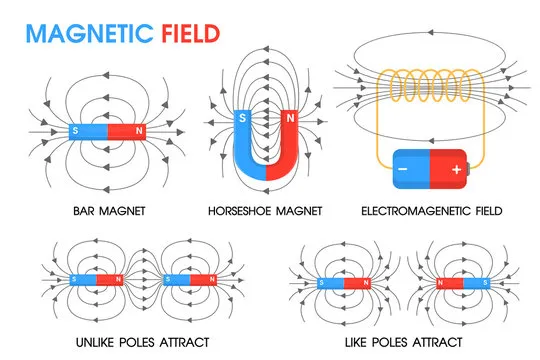
The Pull of the Beam: Magnetic Luminaire Fixings on Exposed Steel, Assessed

The Pull of the Beam: Magnetic Luminaire Fixings on Exposed Steel, Assessed

Magnet-mounted luminaires can look effortless on exposed steel, but the fixing is doing structural work. This specification guide separates sound applications from risky shortcuts, covering load data, cable strain relief, vibration, fire performance and the finishes that determine whether a magnet will hold at all.

Where Light Meets the Membrane: Steel Fittings in Deep-Retrofit Ceilings

Where Light Meets the Membrane: Steel Fittings in Deep-Retrofit Ceilings

Deep retrofits and EnerPHit projects turn the ceiling into a layered airtight assembly, which changes how steel lighting should be fixed, wired and maintained. This specification guide sets out practical details for pendants, wall lights and linear runs without breaching the airtightness line or undermining thermal performance.

The Quiet Fit-Out: Dimming Steel Lighting in Refurbished Interiors

The Quiet Fit-Out: Dimming Steel Lighting in Refurbished Interiors

Dimming a steel pendant is rarely just a matter of swapping a switch plate. This specification guide sets out how to reconcile trailing-edge, DALI and wireless controls with the loads, drivers and wiring found in British refurbishment projects, before the ceiling is closed.

The Overlooked Plane: Specifying Light Beneath Steel Mezzanines

The underside of a steel mezzanine is rarely designed with the same care as the floor above. A measured approach to mounting, glare control, emergency lighting and finish can turn an overlooked soffit into a deliberate part of the interior.

After the Sun Sets: Lighting Steel and Corten Elevations with Precision

After the Sun Sets: Lighting Steel and Corten Elevations with Precision

Exterior steel and weathered corten are increasingly specified on UK extensions, garden rooms and commercial frontages, but their night-time appearance is often decided too late. This specification guide covers surface reading, beam control, IP ratings and corrosion-resistant details for elevations that need to look considered after dark.

Weathering Well: Specifying Steel Lighting for UK Coastal Homes in 2026

Weathering Well: Specifying Steel Lighting for UK Coastal Homes in 2026

Salt-laden air punishes fittings in ways that a generic interior specification never anticipates. A corrosion-led guide to finish systems, IP ratings, fixings and maintenance intervals for steel lighting within reach of the UK shoreline, written for trade buyers and design-led homeowners alike.